

Advantages and disadvantages of using quartz stone
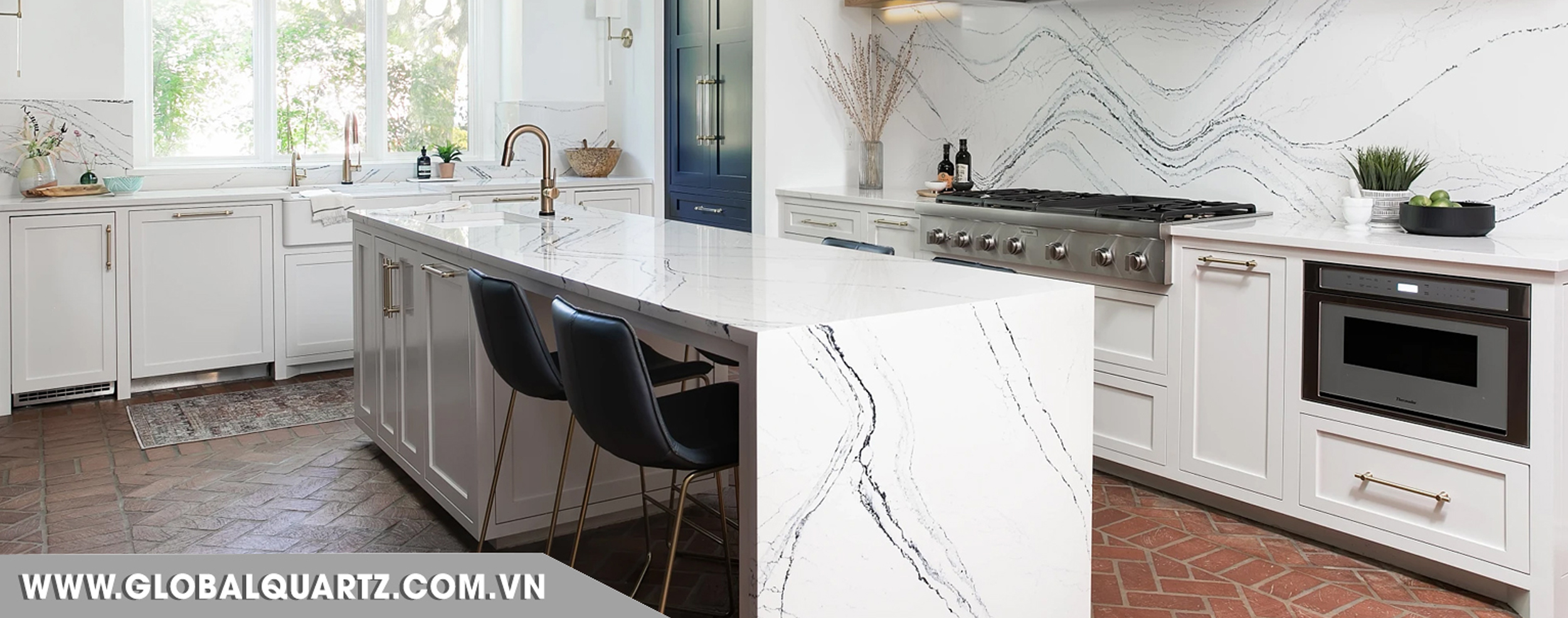
Engineered quartz stone, often referred to as quartz countertops, is a popular choice for kitchen and bathroom surfaces. Here are some of its advantages and disadvantages:
Advantages:
-
Durability: Engineered quartz is extremely durable and can withstand heavy use without chipping or cracking. It's also more forgiving than natural stones like marble or granite, which are prone to cracking.
-
Low Maintenance: Quartz is non-porous, meaning it doesn't absorb liquids or stains easily. It's also resistant to bacteria and is easy to clean with just soap and water, making it a low-maintenance option.
-
Variety of Colors and Patterns: Quartz is available in a wide range of colors and patterns, making it easy to find a style that matches your décor.
-
Consistency: Unlike natural stones, engineered quartz is consistent in color and pattern, so you know exactly what you're getting.
-
Scratch Resistance: While not completely scratch-proof, quartz is more resistant to scratches than many other countertop materials.
-
Heat Resistance: It's also more heat-resistant than materials like laminate, though it's still a good idea to use trivets or hot pads to protect the surface.
Disadvantages:
-
Cost: Engineered quartz is not the cheapest countertop option. It falls somewhere between the cost of laminate and natural stone surfaces like granite or marble.
-
Not Completely Heat Resistant: While it's better with heat than some materials, extreme heat can still cause damage to quartz countertops.
-
Seams: Depending on the size and layout of your countertops, you may need seams where two pieces of quartz meet. These seams can be visible and may not look as seamless as a solid piece of natural stone.
-
Weight: Quartz is heavy, and you may need extra support for your cabinets to accommodate its weight.
-
Not Suitable for Outdoor Use: Engineered quartz is not recommended for outdoor applications as it can fade when exposed to direct sunlight over time.
In summary, engineered quartz is a durable and low-maintenance choice for countertops, but it comes with a moderate cost and may not have the same natural aesthetics as other stone options. The decision to use it should depend on your budget, style preferences, and the specific needs of your space.